
Annual Preventive Boiler Maintenance Before Winter
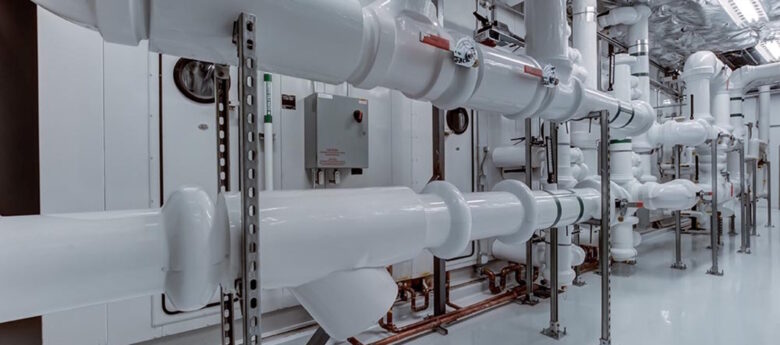
As temperatures begin to drop, heating systems will soon start to kick in. Experienced facility maintenance directors know that waiting for the first cold snap to address heating issues can cause operational disruptions, delays and even safety hazards.
Boilers and heating hot water (HHW) systems are complex and require a critical annual preventive maintenance (PM) strategy. Whether on a university campus, a high school gymnasium, or in an office building, routine maintenance ensures reliability and safety for occupants.
The Importance of Annual Maintenance
At a minimum, annual preventive boiler maintenance and inspection is required by organizations such as the National Board of Boiler of Pressure Vessel Inspectors and state regulatory entities, as well as boiler and mechanical underwriters and insurers.
Beyond just compliance, annual preventive maintenance helps facility owners avoid costly degradation. When used for extended periods in the winter, electrical, mechanical and combustion components can become strained. Without consistent monitoring and maintenance, these minor issues can accumulate into high utility costs or system failures. Upgrading components of a boiler system can take weeks, which is time that facility managers don’t have once the cold hits.
Crafting a Comprehensive Annual Checklist
While there are many different types of boilers and HHW systems, the key components of maintenance are universal.
Most boilers are designed with safety interlocks that shut down the system before catastrophic failures happen. The interlocks need to be tested for several conditions, such as low water cutoff, loss of flow, loss of flame, low gas pressure shutoff and high gas pressure shutoff. It’s also important to visually inspect the boiler safety-relief valve ensuring it shows no signs of corrosion and is not obstructed.
The majority of commercial boilers rely on natural gas for fuel, so it’s crucial to check for fuel line safety. Natural gas leak testing should follow National Fire Protection Association standards to detect and correct any leaks. Gas leak testing at these fuel lines in mechanical rooms should be included in the annual boiler PM.
In addition, yearly maintenance includes opening the boiler fire-side to perform a thorough visual inspection. Technicians should inspect the firebox for evidence of tube leaks, carbon buildup, tube fouling and effects of poor water treatment. Combustion testing and tuning should be performed on all fire tube boilers and larger boilers. This maximizes efficiency and prevents wear and tear on burner components.
Exhaust ducts are often overlooked during routine checks and should always be incorporated into the annual PM. Interruptions in stack connections and separations in the exhaust duct can allow carbon monoxide to remain in the space, therefore, inspecting venting connections is a crucial safety measure.
Examining Steam & HHW Distribution Networks & Additional Equipment
Boilers are supported by an entire system of auxiliary equipment that needs to be monitored as well. If any of that equipment fails, it can result in a total loss of heat across an entire building.
Auxiliary equipment typically includes HHW distribution pumps and expansion tanks, heat exchangers and steam traps, creating a heating system loop. Maintenance technicians should complete a comprehensive loop check before placing boiler systems into service.
Perform and document a check on each individual piece of equipment. Pressure up the HHW distribution system and inspect all coils, radiators and HVAC components to ensure there are no leaks. Clean system strainers, verify that all pressure and temperature gauges are functioning properly, and vent all air from piping, vessels and heat exchangers. This is often an easy fix for poor performance.
Lastly, test the air louvers, ensuring they can properly pinch down as outdoor temperatures drop. Check freeze stats and confirm that air louvers properly close and all linkage is intact. Failure of freeze stats is common, very costly and results in extended periods without heating capability.
Implementing Best Practices
While it’s crucial to follow an annual preventive maintenance checklist, creating a seamless operations process ensures every task is completed well.
Establishing timelines well in advance can help facility managers avoid costly delays or failures during peak season. For example, Certificate to Operate expirations should not fall during the fall or winter. Shift your inspection scheduling to spring or early summer to avoid downtime or delays. And, as temperatures start to decline, make sure to begin rotating equipment weekly to confirm that it can run reliably before it’s put to the test by winter weather.
Putting protocols in place for annual maintenance checks helps them run smoothly, no matter who conducts the tests. Implement lockout/tag out protocols for equipment and verify that preventive maintenance kits are replaced with any parts needed. Have witnesses present for safety interlock testing and start-up, and ensure all mechanical rooms are returned to clean, safe working conditions.
Once a checklist is completed, it should be documented in a Computerized Maintenance Management System. Completed work orders, photos, notes, invoices, guidelines and certificates, along with any other necessary materials, should be uploaded to the record. Most states also require the Certificate to Operate for boilers to be mounted in close proximity to the boiler.
Through a proactive, structured approach to annual boiler maintenance and with preparations in the spring and summer, facility managers can ensure equipment longevity, compliance, and smooth operations, creating a safe, warm environment for occupants throughout the winter.
Doug Kessler is a Senior Maintenance Project Manager with SSC Services for Education. He has over 48 years of facilities management experience and is a Certified Maintenance and Reliability Professional.