
Carbon-Reducing Boiler Retrofits: Practical Strategies
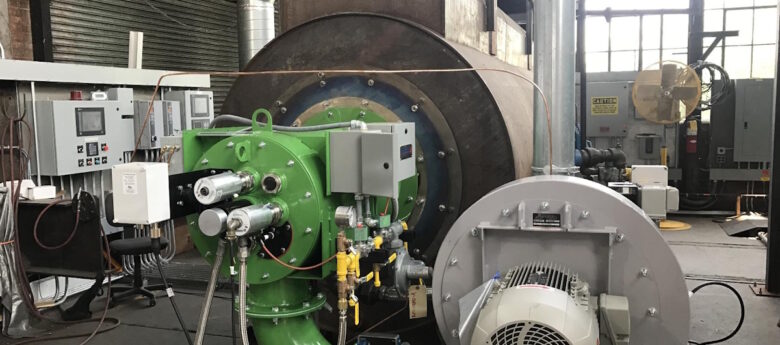
Facilities are under increasing pressure to reduce emissions as decarbonization targets tighten across many areas for schools, universities, and hospitals. However, for many facilities, particularly those with older infrastructure, a full replacement of mechanical systems, like boiler systems, just isn’t feasible. Limited budgets, space constraints, and the potential for operational disruptions can quickly derail modernization plans.
Fortunately, a growing number of facilities are finding that targeted retrofits are a viable alternative. Even boiler systems that are 50 or 60 years old can often be modernized to meet today’s efficiency and emissions standards. By upgrading components like control systems, burners, and fuel handling infrastructure, facilities can cut carbon output significantly, without the cost and downtime of a full replacement.
This article explores practical, proven strategies for boiler retrofits, supported by real-world examples from healthcare facilities, colleges, and municipal agencies.
Assessing Retrofit Potential
Older boilers were built to last and many remain structurally sound, even after decades of service. But from an emissions and efficiency standpoint, they often fall behind current requirements. The key is to identify opportunities where retrofits can deliver higher performance from aging infrastructure. Skilled engineers can look at an aging system and determine what alterations can help bridge the gaps in carbon reduction. For example, at a large psychiatric facility in New York City, aging boiler panels and controls had become unreliable and inefficient – they were not able to meet new NYC regulations.
Rather than replacing the entire boiler room system, the facility team upgraded to advanced and intuitive modern combustion controllers that optimize combustion with precise firing rate controls and a fully automated system. These updates and retrofits ensured that the facility operates cleanly and in an environmentally responsible manner through improved efficiency and enhanced reliability, all without replacing the boilers themselves.
Strategy 1: Upgrade to Digital Controls and Monitoring
One of the most impactful ways to reduce boiler-related emissions is by replacing outdated mechanical linkage systems with modern digital controls. These systems enable tighter control over combustion processes, automated adjustments for varying conditions, and more consistent performance.
At Columbia Teachers’ College in Manhattan, a retrofit project swapped legacy controls for a modern linkageless system that also allowed them to incorporate O2 trim and variable frequency drives to further optimize fuel usage. The improvements not only reduced emissions but also qualified the college for utility incentives – all within a budget-friendly scope.
Along with the control upgrades, the college introduced a cloud-based monitoring system for maintenance, drastically improving staff’s control and ability to take preventive measures. They also installed a new plant master, feedwater center, and an e-link draft damper.
Strategy 2: Enable Sustainable Fuel Compatibility
Fuel flexibility is another critical element of decarbonization. Retrofitting burners to accommodate Renewable Fuel Oil or biodiesel blends, such as B20, can significantly reduce a facility’s carbon footprint.
A prominent New England university made this transition through a burner and controls upgrade on their Johnston boiler. This will allow them to burn ENSYN Renewable Fuel Oil, an 85% carbon neutral renewable fuel, along with natural gas or #2 oil.
Strategy 3: Next Steps – Upgrading Fuel Handling and Filtration Systems
Once a plant has been transitioned to alternative fuel sources, like biofuel. That fuel must be safely, reliably and efficiently stored and circulated. Facilities making the switch to lower-carbon or renewable fuels often need to upgrade their fuel handling infrastructure to maintain or continue improving efficiency and reliability.
A NYC agency had converted their boiler system from fossil fuels to B20 Biofuel to meet their sustainability goals. Their next step was to upgrade their fuel handling and filtration system to meet the continuing carbon reduction needs. This is a great move on their way to converting to 100% biofuel, B100.
Strategy 4: Use Retrofit “Inserts” for Faster, Lower-Cost Upgrades
Installation and the resulting outage time can be a big hurdle to decarbonization projects. “Insert” retrofit solutions are a great option when you need results quickly. These systems are designed to adapt to existing boilers with ease, reducing both installation time and cost. For example, some inserts do not require modifications to the boiler door, combustion fan, or existing gas train connection to the boiler.
Bates College in Maine implemented this approach with a burner and controls retrofit on an existing Cleaver-Brooks™ boiler, upgrading with the ability to burn ENSYN Renewable Fuel oil as a primary heating source. This fast-track solution brought the system up in a fraction of the time required for a custom install.
Just Get Started
Boiler retrofits offer a powerful and practical pathway toward decarbonization. By focusing on smart, phased improvements to existing systems, facilities can meet regulatory demands, reduce operating costs, and make meaningful progress on carbon reduction, without the burden of a full system replacement.
Remember, the best first step is a thorough audit of existing boiler systems. Then start with upgrades that deliver the greatest return – e.g., controls, monitoring systems, and fuel considerations.
For facility managers working within real-world constraints, these strategies demonstrate that sustainability doesn’t have to mean starting over. It’s about upgrading what you already have, one smart step at a time.
Ruth O’Donnell is a 3rd generation leader at Preferred Utilities Manufacturing and the VP of Marketing and Communications. She specializes in educating Preferred’s audience on sustainable, forward-thinking solutions in fuel oil handling systems, boiler instrumentation and controllers, high-quality burners, and related parts for commercial, institutional, and industrial facilities. Preferred Utilities Manufacturing has over 100 years of experience, leading the industry to new innovative solutions that are safe, efficient, and sustainable.