
Digital Solutions for Facility Safety & Compliance Standards
As safety standards tighten across all sectors, facility managers face growing pressure to document compliance more rigorously and transparently. Regulatory codes are evolving and being enforced more strictly by Authorities Having Jurisdiction (AHJs), insurers, and internal stakeholders, extending beyond traditional compliance checkboxes to comprehensive risk management strategies.
For example, in May 2025, OSHA updated its Site-Specific Targeting (SST) program to focus inspections on establishments with high injury rates based on employer-submitted data – signaling a shift toward proactive, data-driven enforcement that requires facility managers to maintain continuous readiness rather than scrambling when audits are announced.
What used to be occasional audits have become recurring obligations. Teams must provide documentation that is accurate, traceable, and instantly accessible. In today’s high-risk environments, where liability and public safety are non-negotiable, there is little room for error.
Where Traditional Methods Fall Short
Manual methods such as paper inspection forms, scattered spreadsheets, or legacy software often introduce delays, inconsistencies, and missing records. These outdated workflows increase the risk of non-compliance, especially during surprise audits or regulatory reviews.
That challenge is now compounded by workforce shortages. According to NFPA’s 2025 Industry Trends Survey, half of skilled tradespeople identified a shortage of qualified candidates as their top concern. With fewer staff available to conduct inspections, compile documentation, or maintain audit readiness, the margin for error shrinks, making automation and centralized digital workflows increasingly critical.
The case for digitization is clear. Industry bodies such as IFMA highlight a steady shift toward connected, real-time systems, with surveys indicating that roughly three-quarters of facility professionals now see real-time data as essential to decision-making.

How Digital Tools Help Bridge the Gap
Today’s facility platforms are designed to solve the very problems traditional workflows create. When documentation is stored in one place, teams spend less time chasing down documents and more time acting on insights.
Digital tools support mobile-first inspections, allowing teams to capture checklists, notes, and images on site. Standardized forms and automated timestamps reduce human error. Many tools also include smart filtering, scheduling, and compliance alerts to prevent tasks from slipping through the cracks.
When data is collected in a structured way, it can be reused for audits, reports, or internal reviews. Archived records are easier to retrieve, and exporting documentation for AHJs or insurers takes minutes instead of hours. These platforms help organizations boost productivity, reduce costs, and increase transparency across operations, especially under growing compliance pressure.
Practical Tools and Real-World Use Cases
Compliance challenges may differ from one organization to another, but the right digital tools make them easier to manage. Digital solutions streamline processes, improve accuracy, and ensure that safety records are stored, accessible, and audit ready. Below are several examples of how digital tools are improving compliance across facility types.
Mobile Inspections and Reporting – a Smarter Way To Work
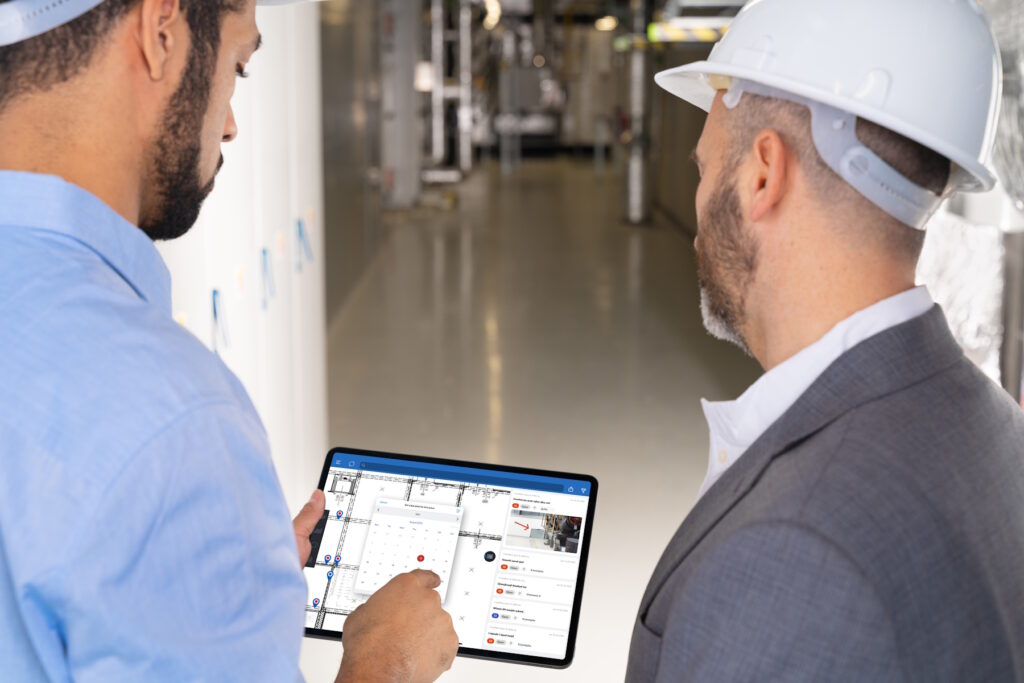
Mobile-first inspection platforms are helping facility teams manage compliance. Instead of juggling paper forms or scattered files, technicians can complete digital checklists, log notes, and attach photos directly onsite using a tablet or smartphone. Once the inspection is complete, the data syncs instantly to a central platform, where standardized reports can be generated in minutes.
This workflow significantly reduces administrative burden while improving accuracy, traceability, and audit readiness. By keeping inspection logs, certificates, and other compliance records in one place, teams can retrieve and export information quickly, ensuring they remain aligned with evolving safety regulations. And because the data structure is fully flexible, it can be adapted to new reporting formats or regulatory changes without disrupting operations.
Central Dashboards for Multi-Building Oversight
Centralized dashboards give facility managers real-time visibility across multiple buildings and inspection schedules. Tasks can be filtered by location, urgency, or inspection type, helping teams prioritize work, reduce backlogs, and improve coordination between departments.
This approach ensures that no inspection slips through the cracks and enables multi-site institutions, such as universities, to maintain consistent compliance standards across all facilities. By tracking and acting on real-time data, these dashboards strengthen oversight and operational control.
Contractor Access and Visitor Logs in Hospitals
Visitor management platforms are used across a wide range of environments, from workplaces and facilities to hospitals, labs, and campuses to track contractors and visitors in real time. By logging arrivals and departures digitally, these platforms create an instantly retrievable record that can be used during audits or safety reviews.
With clear records of who accessed the facility and when, hospitals can enforce access policies, reduce the risk of unauthorized entry, and maintain documentation ready for AHJs and internal compliance teams.
Real-Time Records, Centralized Data, and Audit Readiness
With all inspection data, photos, certificates, and checklists stored in one system, teams can access, export, and share records instantly.
Digital dashboards flag overdue tasks, missing documentation, or gaps in the audit trail before they become issues. They also support collaboration between departments and reduce stress leading up to inspections. Increasing digitization is one of the most impactful upgrades facility teams can make when the goal is long-term risk management and operational continuity.
Compliance as a Strategy
Compliance is no longer just about passing audits, it’s about proving that your facility can be trusted with safety, quality, and risk.
Digital tools help teams shift from reactive processes to proactive readiness. When records are centralized, accessible, and audit-ready, it becomes easier to stay ahead of inspections and evolving standards.
David Homola brings a wealth of international expertise in real estate, construction and civil engineering to his role as US General Manager for PlanRadar, a leading platform for digital documentation, communication and reporting in construction, facility management and real estate projects.