
LED Upgrades: A Smart Investment for Facilities
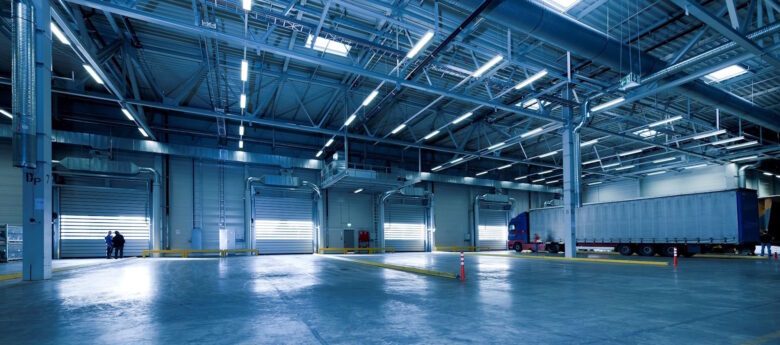
Rising energy costs and tariff-driven price increases are impacting profit margins across commercial and industrial sectors. While facility managers face mounting pressure to cut operational expenses, one strategic investment continues to deliver exceptional returns: converting to LED light fixtures.
The most efficient way to combat escalating overhead costs is by implementing a comprehensive LED upgrade that delivers energy savings of up to 75% with payback periods as short as 6-10 months.
Understanding the True Cost of Traditional Lighting Systems
Traditional metal halide and fluorescent fixtures represent hidden profit drains in commercial and industrial facilities. Beyond their substantial energy consumption, these legacy systems create cascading operational expenses that compound over time. A standard 1000-watt metal halide fixture with ballast consumes 1,150 watts annually, generating $654.81 in electricity costs based on 12-hour daily operation at $0.13 per kWh. Over five years, that single fixture costs $3,274.05 to operate.
Metal halide lights typically last 15,000 hours compared to LEDs’ 50,000+ hour lifespan, meaning traditional fixtures require more frequent light replacements throughout their operational life. Additionally, ballast replacements in traditional systems are extremely expensive, adding another layer of maintenance costs that LEDs eliminate. These shorter light lifecycles and costly ballast failures contribute to significantly higher long-term maintenance expenses and operational complexity.
Next Generation LED Upgrades: Maximizing Savings From Earlier Conversions
Facilities that implemented first-generation LED systems can now capture additional savings through next-generation LED technology upgrades. LED efficiency continues to advance rapidly, enabling further reductions even from existing LED installations. A facility operating 400-watt LED fixtures can now upgrade to 200-watt LED while maintaining equivalent light output.
This second-wave conversion opportunity delivers meaningful returns for early LED adopters. While payback periods may extend slightly longer than traditional LED conversions due to the existing LED fixtures’ remaining value, the continued energy savings and improved light quality justify these strategic upgrades for many operations.
LED Technology: Where Efficiency Meets Performance
Modern LED fixtures transform this cost equation dramatically. Our proven approach involves replacing energy-hungry traditional fixtures with precisely engineered LED solutions that deliver superior performance while slashing operational expenses. A 300-watt LED UFO fixture replaces that 1000-watt metal halide system while providing equivalent or superior light output.
The numbers demonstrate compelling value: that same facility lighting load drops to $170.82 annually per fixture – a single-fixture annual savings of $483.99. For facilities operating 100 fixtures, annual energy savings reach $48,400 with complete cost recovery in under 10 months. This represents a 74% energy reduction that continues delivering savings throughout the LED’s 50,000+ hour lifespan.
Even smaller replacements deliver substantial returns. A 200-watt LED fixture replacing a 400-watt metal halide system generates $148.04 in annual savings per fixture, achieving 57% energy reduction with ROI in under 9 months. For facilities with 100 fixtures, this translates to $14,805 in annual savings.
Maximizing Savings Through Integrated Solutions
To optimize energy efficiency across commercial and industrial spaces, integrating LEDs with industrial ceiling fans delivers an additional 10% energy reduction. This combined approach addresses both lighting and air circulation requirements while maximizing savings. Ceiling fans improve air movement, maximizing thermal comfort and productivity, while LED fixtures provide consistent, high-quality illumination to reduce the risk of worker injury.
Safety and Productivity Benefits Beyond Energy Savings
Transitioning facilities to LEDs delivers measurable safety improvements that traditional fixtures cannot match. Higher quality light distribution eliminates the dark spots and shadows common with metal halide systems, reducing workplace hazards and accident risks. Traditional fixtures produce flickering that contributes to eye strain, headaches, and reduced worker productivity. LEDs provide steady, consistent illumination, supporting better visual acuity and reducing fatigue-related incidents.
These wellness improvements translate into quantifiable business benefits through reduced workers’ compensation claims, lower absenteeism rates, and improved productivity metrics. While it is difficult to assign precise dollar values, facilities consistently report improved working conditions and reduced safety incidents following the transition to LEDs.
Offsetting Tariff Impact Through Strategic Upgrades
Current market conditions present both challenges and opportunities for facility managers. Tariffs have caused significant price increases by many suppliers, pressuring equipment budgets across commercial and industrial sectors. However, converting to LEDs help offset these inflationary pressures by immediately reducing one of the facility’s largest operational expenses – energy consumption.
The optimal approach is to view LED upgrades as tariff mitigation strategies rather than discretionary improvements. Facilities that delay conversion continue absorbing both higher equipment costs, labor costs, and escalating energy expenses, while those implementing LED systems now lock in substantial ongoing savings that compound annually.
Leveraging Available Incentives and Rebate Programs
Many utility companies and government programs offer rebate incentives specifically for converting to LED light fixtures in commercial and industrial applications. Major utility providers in many regions even offer instant lighting incentives for commercial and industrial organizations.
These programs typically require products to meet specific certifications such as Design Lights Consortium (DLC) standards, which ensure commercial and industrial LED fixtures meet high efficiency and quality requirements. We recommend working with suppliers who maintain current knowledge of available rebate programs and can guide facilities through application processes.
Tax incentives may also apply when converting to LEDs under various energy efficiency programs. Consulting with tax professionals ensures facilities capture all available deductions and credits associated with energy-efficient equipment investments.
Implementation Strategy for Maximum ROI
Transitioning to LEDs requires systematic planning, prioritizing the highest-impact area first. High-usage zones like production floors, warehouses, and parking areas typically deliver the fastest payback periods due to extended daily operation hours. Secondary areas can be converted as budgets allow, creating a phased implementation that spreads costs while immediately capturing energy savings.
Making the Investment
The evidence strongly supports converting from legacy light fixtures to LEDs as one of the most reliable facility improvements available today. With energy reductions up to 75%, payback periods under 10 months, and operational lifespans exceeding 50,000 hours,
LEDs represent sound financial investments that continue delivering returns for decades.
For facilities ready to reduce facility expenses, request a custom lighting plan with direct access to a Product Specialist who will break down the overall investment cost and savings calculations.
The question isn’t whether LED upgrades or a conversion makes financial sense – the data conclusively supports this upgrade. The question is how quickly your facility can implement these improvements and begin capturing the substantial ongoing savings.
Chelsea Jones, Digital Marketing Manager at LED Lighting Supply, brings over seven years of experience developing customer-focused strategies. Specializing in content creation and digital campaign development, Chelsea helps streamline buying decisions by providing customers with the necessary resources to make informed decisions. Her insights have been featured in leading industry publications, including Commercial Construction Magazine and T&D World.