
Better Irrigation Design Reduces Facility Grounds Costs
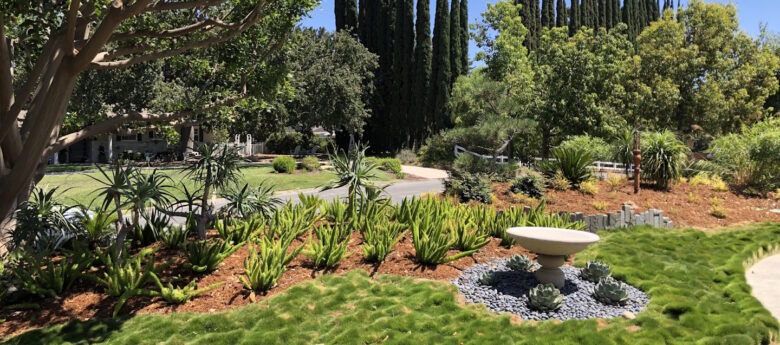
A facility’s exterior appearance tells people a story about the organization long before they ever walk through the doors. Healthy flowers, trees, grass, and shrubs, shaded walkways, and attractive courtyards say that the property is valued, cared for, and professionally managed. For commercial buildings, campuses, hospitals, schools, and institutional properties, landscapes make a strong first impression about occupant and visitor experiences, safety, and a business’s attention to detail.
To convey the most positive message, those grounds require reasonable landscape budgets. Water, labor, repairs, plant replacement, and compliance expectations are all part of the exterior maintenance fund. When irrigation systems are outdated, poorly designed, or not matched to the actual landscape, water waste becomes a recurring facility expense that eats away at a budget.
The Healthy Green Spaces Initiative reports that 30 to 60 percent of irrigation water is wasted, mostly because of undetected overwatering and poor maintenance practices. The EPA has also noted that outdoor water use can account for 5 to 30 percent of total water use at commercial and institutional facilities and that improved irrigation systems could save a property more than half of its outdoor water-use costs.
For facility management teams, that water waste, which can seem small and incremental throughout the grounds, shows up as higher utility bills, nuisance work orders, drainage problems that affect infrastructure, damaged plants, and too much time spent chasing issues that should not keep coming back.
A lot of irrigation waste tends to hide in plain sight: spray heads watering concrete (sidewalks, parking lots, and entry paths), runoff pooling near curbs or walkways, plant-free building walls getting soaked. Leaks can go unnoticed until someone notices an unusually damp area, a dry bed, or stressed plants. Irrigation equipment can get bumped out of alignment in areas with heavy foot traffic. Broken pipes leak in obscured areas. Waste also happens when schedules stay the same even though weather, soil, shade conditions, or seasonal patterns have changed.
Every one of these issues has a price tag associated with it. Water that misses the landscape still appears on the bill. Runoff near walkways or entrances creates slippery areas, turning into a safety and mitigation issue, and more time is spent cleaning up. Thirsty plants wither, and the over-watered ones drown, requiring replacements. Maintenance teams fix the visible symptoms, then return a short time later because the system design is still working against them.
That is why exterior irrigation deserves a closer operational review. Facility teams are already analyzing lighting, HVAC, roofing, drainage, building controls, and other systems that affect cost and performance. Irrigation belongs in that same analysis. Is the current irrigation system delivering water where it actually needs to go, supporting the landscape’s vitality, reducing wasted labor, and meeting the long-term needs of the property?
Spray irrigation is still a useful option for distinct areas of the property, like large turf areas when the system is well designed, adjusted, and maintained. The problem, though, is using spray-heavy systems where they are not the best choice, like planted beds, narrow strips, medians, slopes, courtyards, parking-lot landscapes, and areas where water is more likely to drift, evaporate, or land on concrete or building infrastructure.
In those areas, drip irrigation is a sensible design choice. Drip delivers water directly to the root zone, reducing overspray and runoff while giving trees, shrubs, and planting beds water where they can actually use it. It can also reduce the number of exposed components that get damaged, blocked, or knocked out of position.
This is a heavy lift for maintenance teams. Drip systems use flexible, low-pressure tubing and fewer moving parts than many spray-heavy designs. With fewer fittings and less visible spray heads in vulnerable areas, teams will spend less time repeatedly troubleshooting the same problems and more time on higher-value work across the property.
Of course, good design comes first. Soil type, slope, plant selection, pressure, filtration, sun exposure, and access for inspection and repair all influence how well a system performs. The most important consideration is to match the irrigation method to the area, the plants, the maintenance team, and the property’s water-use goals.
Regulation is another reason to take a fresh look at exterior water use. California’s Model Water Efficient Landscape Ordinance, known as MWELO, is one example of how water rules are placing greater emphasis on efficient design, proper scheduling, high-efficiency irrigation equipment, and alternative water sources where feasible, including rainwater, graywater, stormwater, and recycled water. Similar actions are happening across various parts of the United States, especially arid regions, where increased water costs, stricter restrictions, sustainability goals, and reporting expectations are behind closer reviews of outdoor water use.
But budget-conscious facility teams aren’t waiting for a mandate or a failing system to evaluate irrigation performance. These are the areas they are questioning:
- Where are we paying for watering pavement, walls, or parking areas?
- Which planted zones could be served more efficiently with drip instead of spray?
- Are schedules adjusted for season, soil, slope, shade, and plant type?
- Can maintenance teams easily inspect, flush, and repair the system?
- Are irrigation choices supporting budget planning, sustainability goals, and future water rules, budgets, or reporting needs?
Facility grounds are a significant part of a company’s asset portfolio. They are the forward-facing framework for a property’s safety, appearance, occupant and visitor experience, and that important first impression. Optimum irrigation design helps facility management teams reduce waste, control costs, support thriving landscapes, and keep exterior spaces performing well.
Rodney Patton is an Area Specifications Manager at Netafim USA with decades of successful experience in the irrigation industry. He specializes in working with irrigation consultants, engineers, contractors, & Landscape architects in the planning and design phases of commercial irrigation projects. He has been in the green industry for 35 years and holds a B.S.A. Agricultural Education and an M.Ed. Adult Education Administration from the University of Arkansas, Fayetteville, AR. He also has his CLIA & CIC irrigation certifications through the Irrigation Association.