
Removing Hidden Operational Bottlenecks in Modern Buildings
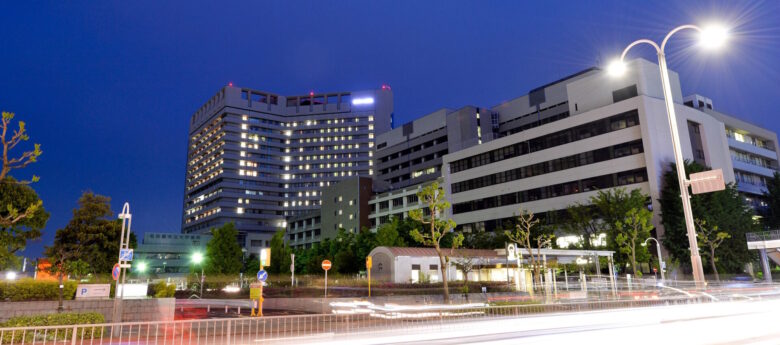
Modern buildings such as hospitals, commercial facilities, manufacturing sites and large offices are becoming increasingly complex and while technology has improved front-end operations, there are many internal workflows that remain inefficient.
This leads to hidden bottlenecks such as delays in moving items, information or people, as well as inefficiencies that are not always visible but can still impact performance. These bottlenecks can lead to slower workflows, increased labor costs, reduced productivity and a higher risk of errors.
In this article, we discuss how to identify where these bottlenecks occur and explains why they are so important. We will show how automation and internal logistics solutions like pneumatic tubes and AGVs can be a successful way to remove them.
Why Internal Logistics Is Often Overlooked
The core problem within many modern buildings is that organizations fall into the trap of focusing on front-end services and large-scale systems like HVAC, energy and security. As a result, internal logistics that involves the movement of items, samples or documents can be manual, fragmented and inconsistent.
This is particularly important in environments like hospitals or large facilities, as staff spend significant amounts of time transporting items instead of performing the core tasks that are the focus of their roles.
This means important personnel can often be found transporting documents between departments, manually moving supplies or waiting for deliveries within the building when there are more important tasks that they could be doing. These inefficiencies might seem small individually, but they become cumulative over time.
Common Hidden Bottlenecks in Modern Buildings
The manual transport of items is one of the most common hidden bottlenecks that can be found in most modern buildings. This means staff are physically moving documents, samples, tools or equipment, which is not only time-consuming but also labor-intensive and more susceptible to human error.
There can also be delays between departments that are left waiting for items to arrive, which will then inevitably slow all other processes down. This is common in healthcare settings where people are waiting for lab samples or medication, as well as offices where documents and approvals need to be moved around.
It can also be an issue in manufacturing environments where the movement of parts is incredibly important for efficiency. When these delays occur, workflow becomes disrupted and throughput is reduced.
These bottlenecks are not just important for the items that need to be moved around, but also for the staff who are left waiting for them. It can mean that skilled members of staff are performing non-core tasks, which is an inefficient use of their time.
Nurses might end up transporting samples or technicians may be materials instead of completing more productive tasks. This not only reduces productivity but also increases operational costs.
There can also be a lack of real-time visibility thanks to there being no tracking of internal deliveries or a clear understanding of where items are and how long processes take. This usually results in delays, miscommunication and a duplication of effort.
The Operational Impact of These Bottlenecks
The impact these bottlenecks can have is significant in business terms. It can lead to a slower service delivery and increased operational costs due to the inefficiencies involved. When staff are left performing these manual tasks instead of the jobs they were meant to do, they can become frustrated and morale can drop. There is also an increased risk of errors or delays in some of the most critical processes.
In healthcare specifically, it can impact patient outcomes, meanwhile, in commercial environments there are effects on productivity and service levels. It is important to remember that even the smallest inefficiencies can create significant operational drag over time.
How Automation Removes Internal Bottlenecks
Pneumatic tube systems provide automated systems that can transport documents, samples, and small items. These systems create a network of tubes that use air pressure to push sealed capsules from one place to another. It eliminates manual transport between departments and reduces turnaround time significantly.
This also minimizes staff movement across busy or hazardous areas and provides a fast, secure and trackable delivery system. Pneumatic tube systems are often found in hospitals in order to move lab samples and medication around, but they can also transport documents in offices and small components within industrial sites.
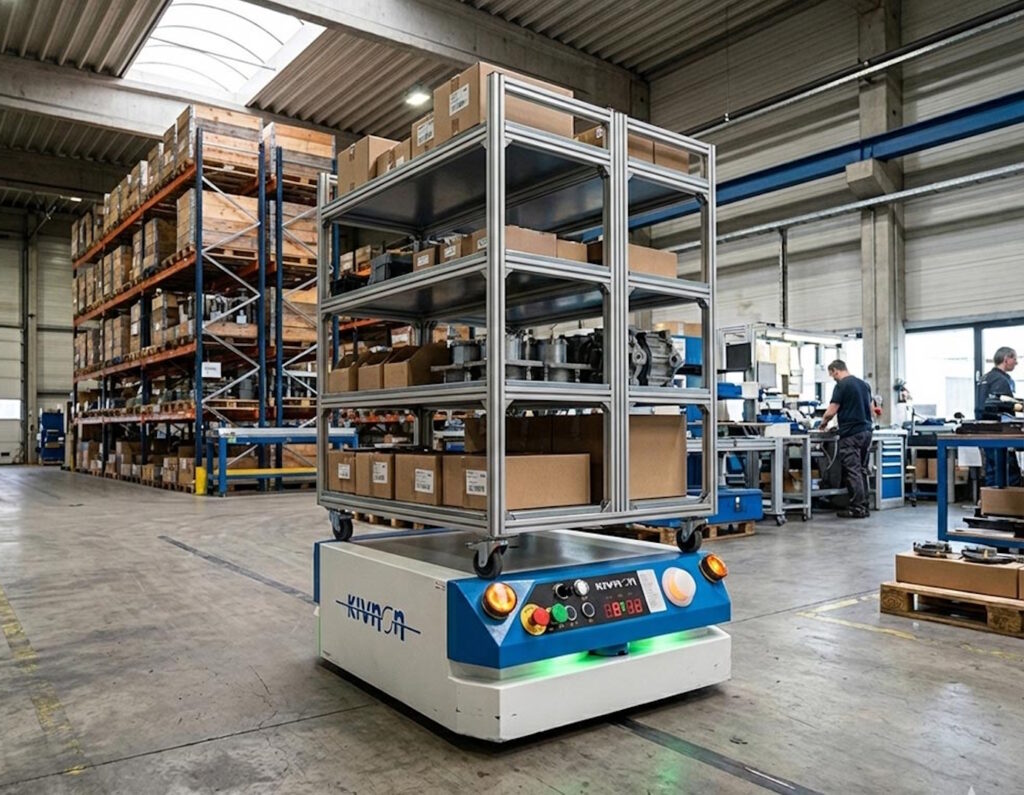
For larger items, automated guided vehicles (AGVs) are a driverless and efficient solution. These navigate predefined routes within buildings using GPS, cameras and lasers. They can be very effective in reducing the need for manual handling and improving consistency in the movement of materials.
Their driverless nature means they can operate continuously without fatigue and are able to free up staff for much higher value tasks. They are predominantly used in warehouses but are now being adopted for hospitals in order to transport linen, meals and waste as well as manufacturing facilities.
Facilities automation and workflow integration brings systems together to create smarter workflows. This includes tracking systems, automated alerts and workflow optimisation tools to provide real time visibility of internal logistics. It can also improve the coordination between departments and provide data-driven decision making that can reduce delays and duplication.
The Shift From Manual to Intelligent Workflows
The traditional model of manual movement and reactive processes has proven to be inefficient in many environments. A modern model requires automated transport and data-driven workflows to provide lean operations, reduced waste and improved efficiency. This means that internal logistics is becoming a strategic function and not just something that is purely operational.
Where Businesses Should Start
Businesses need to identify where delays occur within the movement of items and how much staff time is spent on non-core tasks. It is important to look at where staff are walking unnecessarily between areas where delays regularly occur.
This means concentrating on high-impact areas to identify repetitive transport tasks and high traffic departments. You can then consider scalable solutions such as pneumatic tubes for small items or AGVs for larger transport. It is important to remember that these solutions do not need a full system overhaul, as they can be implemented incrementally to make them easier to adopt.
Many operational inefficiencies are hidden in everyday processes, making automation the ideal way to remove bottlenecks and improve efficiency, accuracy and staff productivity.
Tom Hughes is the General Manager at Aerocom, who are leading specialists in AGV systems, pneumatic tube systems, and fire suppressions systems.