
10 Questions To Ask Before Hiring a Pool Service Provider
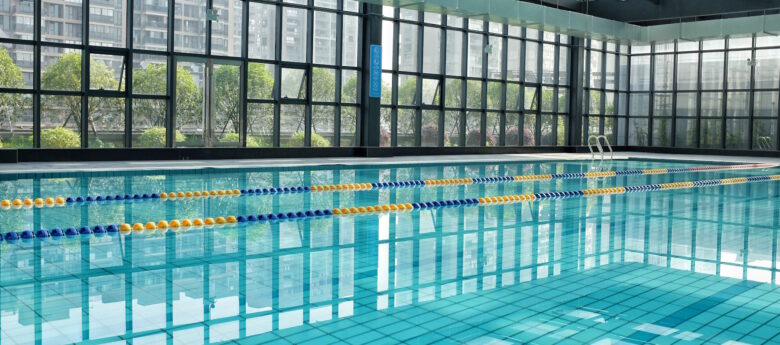
A facility’s pool should be a point of pride, not a source of operational stress. Yet many facility managers have dealt with cloudy water, chemical imbalances, or equipment breakdowns that disrupt schedules and create safety concerns. Consistent preventive maintenance is the key to avoiding those issues. An ounce of prevention is worth a pound of cure, as they say. Partnering with a qualified pool service provider can help maintain water quality, protect assets, and keep your facility in compliance with health and safety standards.
Not all pool service providers operate at the same level, though. Some maintain rigorous training and follow industry best practices, while others may lack proper certification or cut corners, leading to higher costs and potential health code violations. Before contracting a pool service company, it’s crucial to ask the right questions to ensure your aquatic facilities are in capable hands.
Here are 10 essential questions to ask before hiring a pool service provider for your institution.
- Are You Licensed and Insured?
A reputable pool service company should be properly licensed and insured. In California, for example, pool technicians don’t need a contractor’s license for routine cleaning, but they must hold a California contractor’s license (C-61/D-35 for pool and spa maintenance) for repairs or equipment installations valued at $500 or more.
For facilities, verifying this information is more than a formality; it ensures compliance and liability protection for both the institution and the contractor. Insurance is equally critical, protecting the facility from accidents or property damage during service work.
What to Watch For: If a provider hesitates when asked about licensing or insurance, that’s a red flag. Always request proof of coverage and licensing before authorizing work.
- What’s Included in Your Maintenance Plan?
Maintenance plans can differ widely. Some companies provide only basic cleaning, while others offer comprehensive packages that include chemical balancing, filter cleaning, and minor repairs.
Key Considerations:
- Do they test and balance water chemistry at each visit?
- How often do they clean or replace filters?
- Do they inspect equipment for potential issues?
Clarifying the scope of service upfront helps avoid misunderstandings later. For facilities with public access, consistent documentation of maintenance is also important for meeting inspection requirements.
- How Often Will You Service the Pool?
Service frequency depends on pool size, usage, and climate. In regions like Southern California, for example, anything from weekly service to daily service may be recommended to maintain chemical balance and safety standards. Facilities that serve large groups – such as schools, hospitals, or apartment complexes – should avoid biweekly schedules, which can allow unsafe conditions to develop.
Why It Matters: Irregular cleaning or testing can lead to algae growth, chemical imbalance, and equipment strain. A reliable service provider should outline a clear schedule. Bonus points if they can tell you the exact day, time, and technician who will be taking care of the pool.
- What Certifications Do You and Your Team Hold?
Certifications demonstrate professional competence and commitment to safety. Look for credentials from organizations such as:
- The National Swimming Pool Foundation (NSPF): Offers the Certified Pool & Spa Operator (CPO) certification.
- Association of Pool & Spa Professionals (APSP): Provides advanced service training for technicians.
- Independent Pool & Spa Service Association (IPSSA): Makes sure providers stay up to date on industry standards.
- National Plaster Council (NPC): Upholds standards through certifications for chemically protecting new plaster.
Technicians with these credentials are trained to handle water chemistry, identify mechanical issues early, and help maintain compliance with public health standards.
- How Do You Handle Water Conservation?
In regions prone to drought, such as much of the western U.S., water efficiency is a key part of facility operations. A responsible service provider should use methods that minimize water waste, such as:
- Maintaining chemical balance to reduce the need for saturating, staining, and draining.
- Promptly repairing leaks.
- Recommending pool covers to limit evaporation.
- Optimizing filtration systems for efficient water use.
Ask: How does your company incorporate water-saving practices into its standard maintenance protocols?
- What Equipment and Chemicals Do You Use?
The quality of chemicals and equipment directly affects water clarity, sanitation, and the longevity of pool systems. Facilities should ensure that the provider uses commercial-grade chemicals and properly maintained equipment.
Key Questions to Ask:
- What chemical brands and testing systems do you use?
- Do you use energy-efficient pumps and filters?
- Are your methods compatible with saltwater or alternative sanitizing systems?
A knowledgeable tech should explain how these products support both health compliance and cost efficiency for your facility.
- How Do You Handle Emergencies?
Pool problems don’t always happen on a convenient schedule. Whether it’s a pump failure, a chemical imbalance, or a leak, you need to know how quickly your service provider can respond.
Questions to Consider:
- Do you offer emergency or after-hours service?
- What is your average response time?
- Are there additional charges for urgent repairs?
A reliable company should have a clear escalation process and communicate how emergencies are prioritized to minimize downtime and risk.
- How Do You Communicate With Clients?
Strong communication supports accountability. Some pool techs leave behind a checklist or email a service report, while others rely on verbal updates, if any are provided at all. Knowing how your technician will keep you informed can prevent surprises down the road.
Ask About:
- Service reports: Will I receive digital or written reports after each visit?
- Notifications: Will you notify me of any issues immediately?
- Customer support: How can I reach your team if I have a question?
Consistent reporting creates a verifiable maintenance record, which is valuable during inspections or audits.
- Can I See References or Reviews?
A reputable company should be willing to share references from similar facilities, such as schools, apartment communities, or healthcare institutions. Checking online reviews on Google, Yelp, or the Better Business Bureau and speaking with existing clients provides insight into reliability and service consistency.
Look For:
- Feedback mentioning professionalism and responsiveness.
- Patterns in complaints or unresolved issues.
- Transparent handling of negative reviews or disputes.
Direct references from peer institutions are especially useful when assessing long-term service quality.
- What Are Your Rates and Billing Policies?
Cost transparency is essential for institutional budgeting. A professional pool service should clearly outline rates, billing frequency, and any additional fees.
Ask These Questions:
- Are rates fixed or seasonal?
- Are chemicals and filter cleanings included?
- What payment or invoicing systems are available?
When evaluating cost, consider total ownership expenses, including the potential savings from proactive maintenance and reduced equipment downtime.
A well-maintained pool enhances facility value, supports safety compliance, and provides a reliable amenity for users. Choosing the right service provider is less about finding the lowest price and more about finding a partner who understands institutional requirements, communicates clearly, and upholds public health standards. Asking these 10 questions helps ensure your aquatic facilities remain safe, efficient, and compliant all year long.
Austin Gardiner co-founded GL Pools in 2006, bringing a deep-seated commitment to excellence in the pool service industry alongside childhood friend Kyle Lobe. With an NPC Startup certification and having formerly served as the President of his local IPSSA chapter, Austin’s expertise ensures GL Pools upholds the highest standards of service and professionalism. His passion and dedication have been instrumental in establishing GL Pools as a distinguished name in the competitive pool service market.