
Winter Weather: Preparation Is the Difference
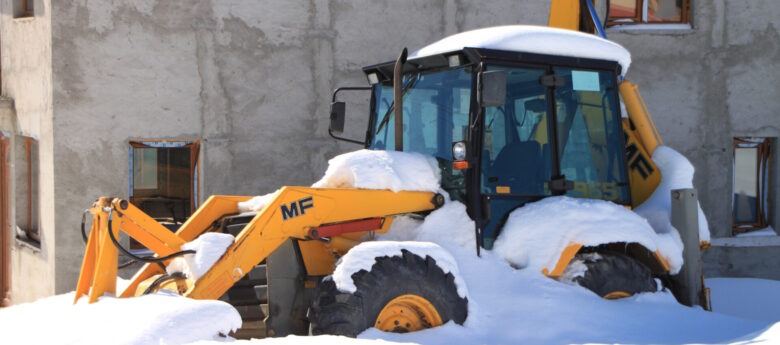
Winter weather isn’t a question of if: It’s when. For most parts of the country, it’s only a matter of time before a storm shows up and facilities teams are asked to keep buildings safe, open, and functioning through snow, ice, and cold that stresses everything at once. To strengthen readiness, teams should incorporate routine pre-season inspections and verify that critical equipment is tested ahead of severe weather.
Even in regions where snow is rare, winter still has a way of sneaking up. One unexpected cold snap is all it takes to freeze a pipe, strain a heating system, or shut down a building that wasn’t ready. Adding basic pipe insulation checks and ensuring thermostats are calibrated for cold conditions can significantly reduce risk.
What separates a manageable winter event from a full-blown crisis usually isn’t heroics or last-minute effort. It’s preparation – quiet, unglamorous work done well before the forecast turns ugly. Simple additions like supply inventories, vendor confirmations, and updated checklists further improve consistency.
Winter disruptions are some of the most predictable challenges facilities teams face. They’re also some of the most damaging when preparation falls short. Snow and ice affect access. Prolonged cold stresses systems. Power interruptions complicate everything. When these factors collide, routine operations can unravel fast. Including generator testing and minimum-fuel requirements helps reduce the impact of power-related issues.
Understanding What’s Really at Risk
Winter risk goes far beyond getting snowed in or salting a slick sidewalk. In facilities management, cold weather creates layers of risk that stack up quickly if they aren’t actively managed. Routine roof-drain inspections and ice-dam prevention steps can reduce water intrusion incidents.
Safety issues are the most visible – slips at entrances, poor visibility, and cold exposure for outdoor crews – but they’re only part of the story.
Infrastructure often takes the hardest hit. Frozen pipes, burst coils, blocked roof drains, and HVAC failures can cause damage that lingers long after the storm passes. The repairs themselves aren’t always complex. The problem is that systems weren’t protected early, so small issues were allowed to escalate. Adding heat-trace verification and pipe monitoring enhances protection.
Operational strain comes next. Travel conditions can thin staffing levels. Decisions around delays or closures may be unclear or rushed. Communication can lag while conditions change hour by hour. Even a well-maintained facility can struggle if response plans aren’t aligned. Incorporating clearly defined response triggers supports faster decision-making.
And then there’s the aftermath – unplanned repair costs, insurance claims, lost service days. Those downstream impacts are often the real cost of a winter event that wasn’t handled proactively.
Effective winter preparedness and preparation recognizes that all of these risks are connected. Planning has to address them together, not in isolation, and it has to happen before the storm arrives.
Protecting Facilities, From the Outside In
Grounds Readiness: Where Preparation Shows First
Outdoor conditions are usually the first thing people notice during winter weather. Clear walkways, safe entrances, accessible parking areas, fire lanes, ramps, and emergency exits all signal whether a site is ready or scrambling.
Keeping those areas safe takes more than reacting once snow starts falling.
When snow and ice planning begins a week before a forecasted storm, teams are already behind. Material options are limited, equipment issues surface when there’s no time to repair them, and staffing plans may not account for multi‑day events. Incorporating pretreatment strategies (like brine application) and confirming vendor readiness helps reduce last‑minute risk.
Strong winter planning starts months earlier and gets adjusted as conditions evolve. Equipment needs to be inspected, serviced, and tested well before it’s needed. Backup equipment checks and fuel verification should be part of these early steps.
Ice control deserves the same level of thought. Rock salt works in many conditions, but its effectiveness drops in extreme cold and it can damage concrete, landscaping, and infrastructure. Blends, brines, or alternatives may perform better depending on temperature, surface material, and environmental considerations.
Timing and prioritization are just as important as tools and materials. Pre‑treatment strategies, response triggers, and site‑specific priorities should be clearly defined so teams aren’t forced into reactive decision-making.
Mechanical Systems: Avoiding the Damage That Lingers
When mechanical systems freeze, the consequences often outlast the storm itself. Extended outages and costly repairs are usually the result of systems that weren’t monitored closely or configured for sustained cold. Adding overnight monitoring during extreme cold can prevent small issues from turning into failures.
System readiness matters. Heating systems and year‑round infrastructure need to be reviewed with winter stress in mind. Components that perform adequately in mild conditions may struggle in prolonged low temperatures. Verifying setpoints and testing emergency shutoffs improves system resilience.
Winter planning also means acknowledging that disruptions will happen. Power outages and extreme conditions may force tough calls to protect equipment. Having predefined shutdown procedures and backup‑power expectations allows teams to act decisively.
Staffing and Operations: Alignment Makes the Difference
Even the best technical planning can fall apart if communication breaks down. Winter procedures should be reviewed with staff well before the season starts, including expectations around openings, closures, and emergency roles.
Clear staffing assignments – especially for snow and ice removal – remove uncertainty during critical windows. Encouraging teams to plan for travel safety and follow local advisories supports both operational continuity and personal safety.
Consistent, timely updates help everyone stay aligned as conditions change.
What Preparation Delivers
Prepared facilities see fewer injuries, fewer emergency repairs, and less downtime. Systems last longer, and recovery happens faster. Facilities teams operate as reliable partners who manage winter as a known, repeatable challenge rather than a recurring crisis.
Brian Coscia is Senior Vice President of Operations for SSC Services for Education.