
Workforce Development as a Facility Management Strategy
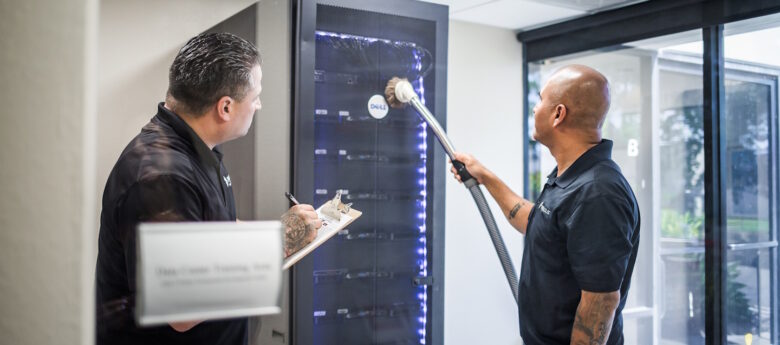
When a facility is operating well, the people responsible for cleaning, maintenance, and other frontline services may not receive much attention. Their work is often noticed when something goes wrong, but the consistency of that work can have a significant impact on the facility every day. A missed maintenance issue, an inconsistent cleaning process, or a gap in documentation may seem minor on its own, but repeated variability can create larger operational challenges.
One way to address that variability is to look beyond individual performance and consider the system supporting the workforce. Training, development, standardized processes, and accountability all play a role in helping employees perform consistently and giving them a reason to stay and grow. For facility leaders, that makes workforce development an operational consideration, not simply an HR initiative.
Build a Workforce That Has a Reason To Stay
Retention starts with giving employees a reason to see their role as more than a job. In frontline facility services, employees may begin in entry-level cleaning or maintenance positions, but that does not mean they need to remain there. Structured training, coaching, and opportunities to take on greater responsibility can create a visible path for advancement and help employees see a future within the organization.
That stability becomes an operational advantage. Experienced employees retain knowledge about the facility, its requirements, and the standards expected by the people who use it.
Make Training an Ongoing Investment
Training should not end when an employee completes onboarding. Cleaning and maintenance involve procedures, safety requirements, equipment, materials, and facility-specific expectations that need to be reinforced over time. Facility leaders can reinforce those skills through refresher education, safety training, knowledge checks, cross-training and regular coaching, with an emphasis on applying those skills in the actual facility.
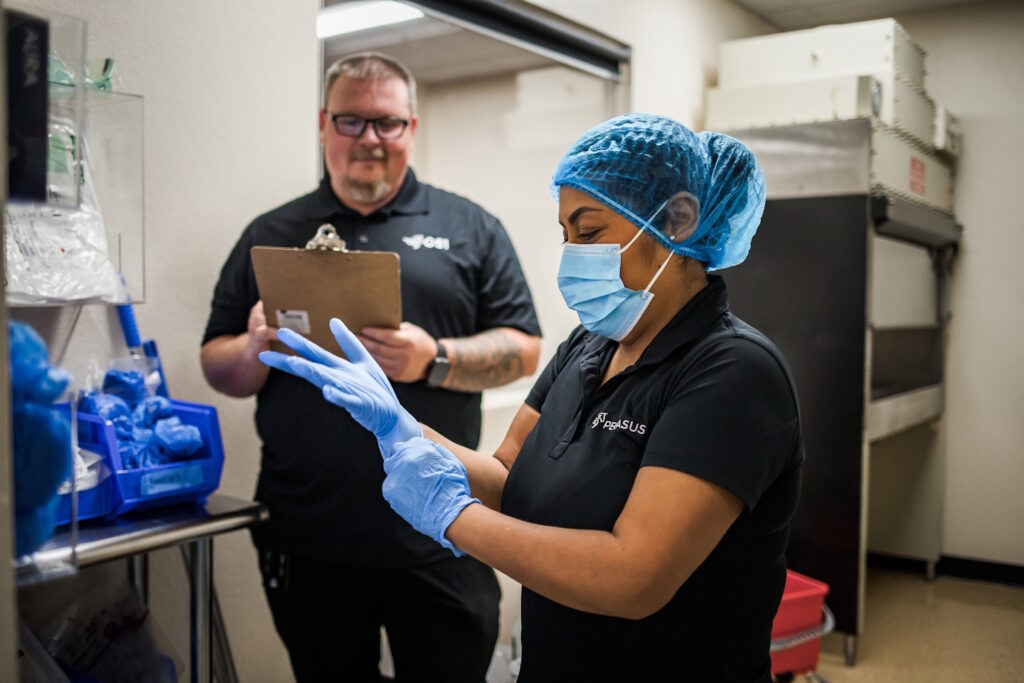
For example, in healthcare environments, continuous training on bloodborne pathogens, proper PPE use, biohazardous materials, spill response, and exposure protocols can help employees work safely while supporting facility standards. Similarly, ongoing training on cross-contamination prevention, disinfectant use, tool segregation, and infection prevention can help create more consistent cleaning practices. These types of training give employees a clearer understanding of not only how a task should be performed, but why those procedures matter to the safety and operation of the facility.
This ongoing investment also helps create a common foundation across teams. Employees may have different levels of experience or develop different approaches to routine tasks, but consistent training gives them a shared understanding of expectations. It also gives supervisors an opportunity to identify areas where additional support or instruction may be needed before inconsistencies become larger operational problems.
Use Standardized Processes To Reduce Variability
Training is most effective when it is supported by clear processes. Standardized workflows give employees a consistent understanding of what needs to happen, how it should be performed, and what a successful outcome looks like.
Facility leaders can start by identifying where execution varies across shifts, buildings or employees, then establish consistent procedures for completing and verifying those tasks. In cleaning, that might include defined workflows, responsibilities, and verification procedures. In maintenance, it can mean consistent approaches to inspections, preventive work, documentation, and escalation.
The goal is not to eliminate employee judgment. Facilities are too complex for every situation to follow an identical process. Instead, standardized processes create a reliable baseline while giving employees a framework for recognizing when something falls outside normal expectations. Inconsistency is often a systems issue rather than an employee issue. Clear workflows, expectations, and verification help make execution more predictable.
Create Accountability Without Losing Engagement
Accountability is essential to a high-performing facility, but it works best when employees have the training, tools and support necessary to meet expectations. Facility leaders can make accountability more constructive by establishing clear standards and using feedback and coaching to address gaps rather than waiting for problems to become significant.
This also strengthens engagement. Employees are more likely to take ownership when they understand why a process matters and how their work affects the larger facility. A cleaning employee who understands how consistency contributes to safety, compliance, or the performance of a specialized environment is in a different position from someone who has simply been given a list of tasks to complete.
That sense of ownership can grow further when employees are given the training and tools to take on new responsibilities. For example, a painting project at an elevated height may require employees to receive scaffolding and fall protection training, along with access to and training on the appropriate equipment. With those capabilities in place, employees can safely take on work they may not have previously been equipped to perform.
Developing these capabilities within an existing workforce can provide greater flexibility for the facility while creating opportunities for employees to take on more responsibility. When employees are given the training and resources needed to succeed in new responsibilities, accountability becomes more than simply assigning tasks. It becomes a way to empower employees to take ownership of their work and meet clear expectations.
Connect Frontline Development to Facility Performance
The connection between workforce development and facility performance becomes especially clear in cleaning and maintenance. These functions may operate behind the scenes, but they influence the conditions in which every other part of an organization operates.
A well-maintained facility can reduce disruption and support equipment life, while a consistent cleaning program can contribute to safety, compliance, and reliable operations in environments where cleanliness matters. Experienced employees can also recognize problems that may otherwise go unnoticed because they understand the facility, its equipment, and its operating patterns.
That institutional knowledge is difficult to replace when turnover is high. Every departure can mean losing familiarity with the building, its procedures, challenges, and occupant expectations. Retention therefore becomes an operational metric as much as a workforce metric.
Build the System for the Long Term
Facility performance depends not only on the systems, equipment and processes in place, but on the people responsible for carrying them out. When training, clear expectations and opportunities for growth are built into daily operations, organizations can reduce variability, retain institutional knowledge, and build teams equipped to support the facility over time. Workforce development is not separate from facility management. It is part of building a stronger operation.
Jeff Becker is CEO of Pegasus Building Services, a leading facility services company supporting more than 300 facilities across the Southwestern United States with a team of more than 1,000 professionals. With more than 30 years of experience maintaining commercial, industrial, manufacturing, cleanroom and other regulated environments, Jeff brings deep operational expertise to complex and mission-critical facilities. He founded Pegasus Cleanroom Services, expanding the company’s capabilities in highly regulated environments, and has built his leadership approach around workplace health and safety, standardized processes, employee training and accountability. Under his leadership, Pegasus adopted OS1™, a leading Cleaning Operating System that brings science, standardization and accountability to every level of facility care. Jeff is passionate about strengthening workforce and operational systems to reduce risk, support compliance and deliver reliable performance in critical environments.